May 28, 2026
Sagar
Gaur
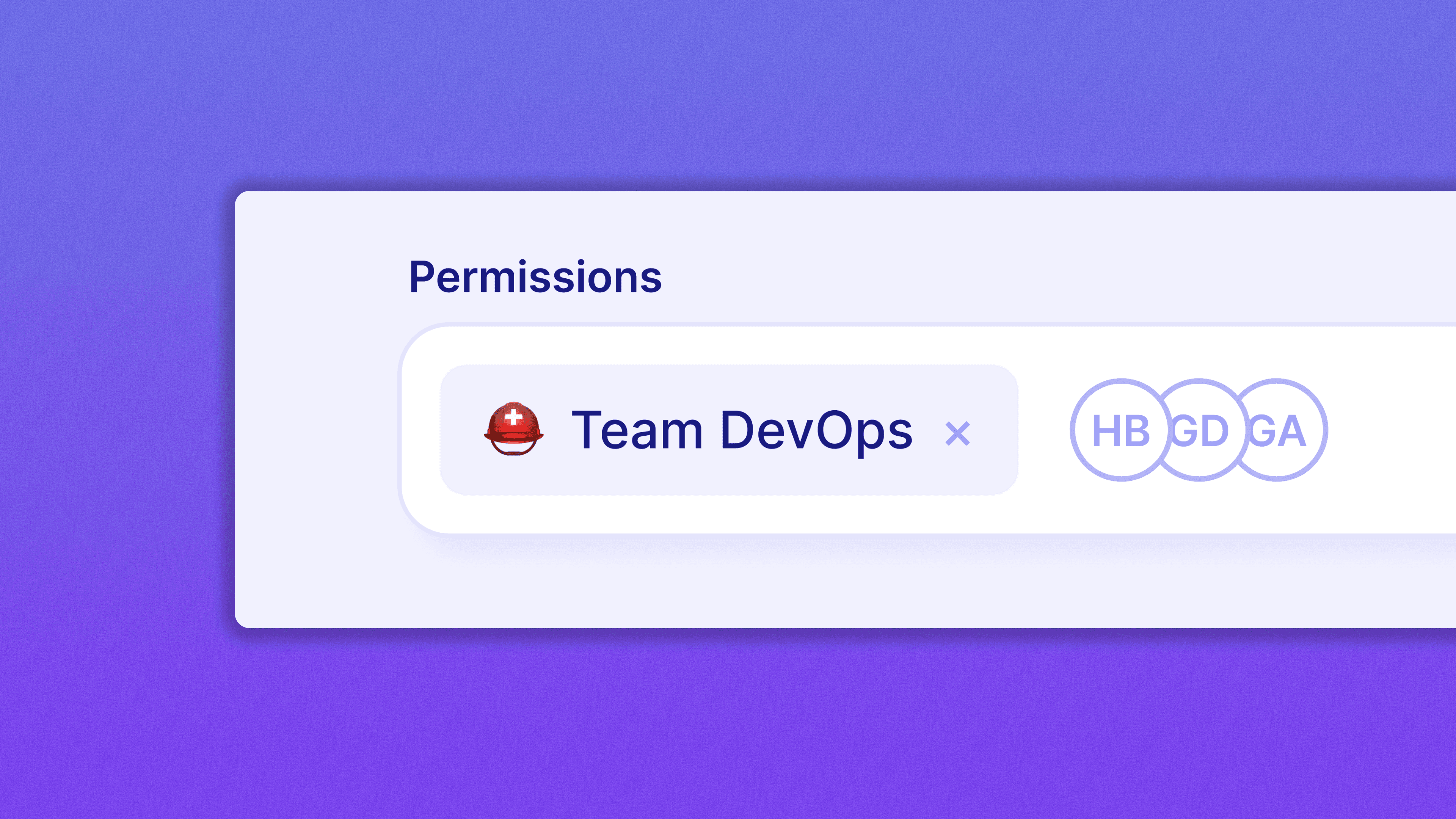
Permissions management is one of those things that starts clean and quietly turns into a mess. One-off access grants here, a manual tweak there, and before long, you're spending real time auditing who has access to what and why.
Mindflow's new Teams feature fixes that at the source.

What it does
Teams lets you manage access at the group level, not the individual level. You create a Team, add members, and assign permissions to specific environments and flows. From that point on, access is enforced automatically through Team membership. Add someone to a Team, and they get access. Remove them, and they lose it. One action, consistent across everything.

Why it matters operationally
For teams running multiple flows across multiple environments, SecOps, ITOps, CloudOps, or otherwise, permission sprawl is a real operational risk. It creates audit complexity, slows down onboarding and offboarding, and makes it harder to enforce actual separation of duties.
Teams solves all of that:
Onboarding and offboarding become a single action, not a checklist
Access aligns to org structure rather than whoever set it up last
Audit trails stay clean because exceptions and manual tweaks stop accumulating
Control stays tight as the number of users, flows, and environments grows
In production automation environments, knowing exactly who can do what, and being able to change it instantly is operational infrastructure. Teams makes that part of the platform, not a workaround you manage outside it.